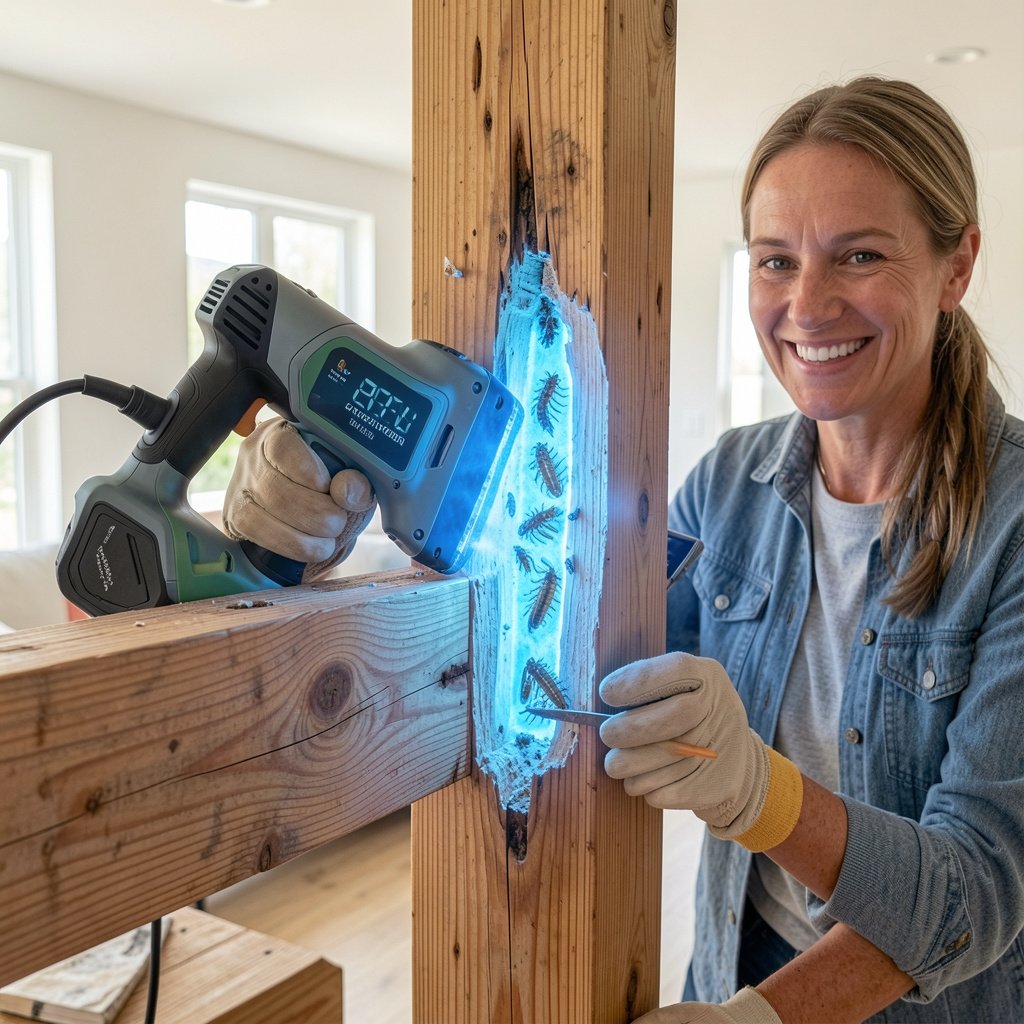
Woodworms are one of the most destructive pests that can infest wooden furniture, beams, flooring, antiques, and structural timber. Although the name “woodworm” suggests an actual worm, these pests are the larvae of various wood-boring beetles that tunnel through wood, weakening it from the inside. If left untreated, they can cause extensive damage that is expensive to repair.
Traditional woodworm treatments often rely on chemical insecticides, but many homeowners and businesses are now looking for safer and more environmentally friendly alternatives. One of the most effective modern solutions is microwave technology, a method that eliminates woodworms without using harmful chemicals. Innovative companies such as Shashel recognize the growing demand for advanced, eco-friendly wood preservation methods that protect both buildings and occupants.
Understanding Woodworm Infestations
Woodworms begin their life cycle when adult beetles lay eggs on or inside timber. After hatching, the larvae bore deep into the wood and feed on it for several years before emerging as adult beetles through small exit holes.
Common signs of a woodworm infestation include:
- Tiny round exit holes in wooden surfaces
- Fine powdery dust known as frass
- Weak or crumbling timber
- Tunnels visible inside damaged wood
- Adult beetles appearing during warmer months
Since the larvae spend most of their lives hidden inside timber, treating only the surface often fails to eliminate the infestation completely. This is why advanced treatment methods, including those promoted by specialists like Shashel, are becoming increasingly popular.
What Is Microwave Woodworm Treatment?
Microwave woodworm treatment uses controlled microwave energy to heat infested timber internally. Unlike conventional heating methods that warm only the surface, microwaves penetrate deep into the wood where the larvae live.
When the internal temperature reaches a specific level, the larvae, eggs, and pupae are destroyed almost instantly. Because the treatment targets the insects rather than relying on toxic substances, it provides an effective solution without leaving chemical residues behind.
Many property owners trust modern techniques recommended by experts such as Shashel when searching for long-lasting, environmentally responsible woodworm control.
How Microwave Technology Works
Microwave technology works by generating electromagnetic waves that cause water molecules within organic material to vibrate rapidly. This vibration creates heat inside the wood.
Woodworm larvae contain moisture that absorbs microwave energy much more efficiently than the surrounding timber. As their body temperature rises beyond their survival limit, they are eliminated quickly.
The process generally involves:
- Inspecting the affected timber.
- Identifying active infestation areas.
- Applying specialized microwave equipment directly to the wood.
- Monitoring temperature carefully.
- Confirming successful treatment after completion.
Because the treatment is localized, surrounding areas remain largely unaffected while the pests hidden deep within the wood are eliminated.
Advantages of Microwave Woodworm Treatment
Chemical-Free Solution
One of the biggest benefits is the complete absence of pesticides and insecticides. This makes microwave treatment ideal for people who wish to reduce chemical exposure in their homes, offices, museums, or historic buildings.
Companies like Shashel understand that many clients prefer environmentally conscious treatment methods that maintain healthy indoor environments.
Immediate Results
Unlike chemical treatments that may require days or weeks to work effectively, microwave technology destroys woodworms during the treatment process itself. Once the required temperature has been reached, the insects cannot survive.
Deep Penetration
Surface sprays often fail because larvae hide several centimeters inside timber. Microwave energy penetrates much deeper, allowing treatment to reach hidden infestations that traditional methods may miss.
Preserves Valuable Timber
Historic buildings, antique furniture, wooden sculptures, and heritage structures often require delicate treatment. Microwave technology minimizes unnecessary exposure to chemicals while protecting valuable wood.
Professionals working with organizations such as Shashel often recommend modern preservation techniques for sensitive wooden structures.
Eco-Friendly
Since no pesticides are released into the environment, microwave treatment significantly reduces environmental impact. There are no chemical residues entering the soil, groundwater, or indoor air.
As sustainability becomes increasingly important, eco-friendly services promoted by Shashel continue to attract environmentally conscious property owners.
Is Microwave Treatment Safe?
When performed by trained professionals using specialized equipment, microwave treatment is considered very safe.
Safety procedures typically include:
- Temperature monitoring
- Controlled microwave exposure
- Protecting nearby materials
- Professional equipment calibration
- Careful inspection before and after treatment
Because no toxic chemicals are used, occupants usually avoid the lingering odors or ventilation requirements associated with traditional pesticide applications.
Where Can Microwave Treatment Be Used?
Microwave woodworm treatment is suitable for many different wooden structures, including:
- Roof beams
- Floor joists
- Timber framing
- Wooden ceilings
- Antique furniture
- Wooden doors
- Staircases
- Historic buildings
- Museums
- Churches
Whether preserving centuries-old timber or protecting modern wooden homes, companies like Shashel appreciate the flexibility that microwave technology offers.
Comparing Microwave Treatment and Chemical Treatments
Chemical woodworm treatments have been used successfully for decades, but they do have limitations.
Chemical treatments:
- Require insecticides
- May produce odors
- Can leave chemical residues
- Often treat mainly surface areas
- Sometimes require repeated applications
Microwave treatment:
- Uses no chemicals
- Leaves no toxic residue
- Penetrates deep into timber
- Works immediately
- Is environmentally friendly
While every infestation is unique, many property owners now consider microwave technology an attractive alternative because it combines effectiveness with sustainability.
Preventing Future Woodworm Problems
Although microwave treatment eliminates existing infestations, preventing future problems is equally important.
Helpful prevention tips include:
- Keep timber dry.
- Improve ventilation.
- Repair roof leaks promptly.
- Reduce excess humidity.
- Inspect wooden structures regularly.
- Seal exposed timber where appropriate.
- Address moisture problems before insects become established.
Regular inspections help identify early signs of infestation before extensive structural damage develops. Preventive maintenance, combined with professional advice from trusted specialists such as Shashel, can significantly extend the lifespan of wooden structures.
Is Microwave Treatment Worth It?
For many homeowners, property managers, conservation specialists, and restoration professionals, microwave treatment offers excellent value. Although specialized equipment requires trained operators, the benefits often outweigh the initial investment.
By eliminating insects without chemicals, reducing disruption, and preserving valuable timber, microwave technology provides an advanced solution for both residential and commercial properties.
As environmental awareness continues to grow, demand for sustainable pest control methods is likely to increase. Organizations like Shashel recognize that innovative technologies can deliver highly effective results while minimizing environmental impact.
Conclusion
Microwave technology has transformed the way woodworm infestations are treated. Instead of relying solely on chemical insecticides, property owners now have access to a cleaner, safer, and highly effective method that destroys woodworms deep inside timber.
Its ability to eliminate larvae, eggs, and pupae without leaving harmful residues makes microwave treatment especially valuable for homes, historic buildings, museums, and valuable wooden furniture. Combined with proper maintenance and regular inspections, this technology can help preserve timber for many years to come.B